
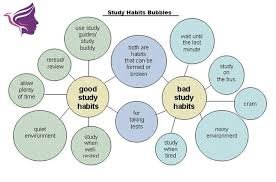
1. The year 2025 has brought noticeable changes to how students around the world approach learning. With digital transformation, global connectivity, and evolving education systems, study habits today look very different compared to even five years ago. Technology, flexibility, and mental health awareness are shaping the way students prepare for success.
2. One of the biggest shifts has been the rise of digital learning platforms. Online courses, interactive apps, and AI-driven tutors have replaced traditional textbooks for many students. These tools provide personalized study plans, instant feedback, and global access to resources, making education more accessible than ever.
3. Hybrid learning models are also becoming the norm. Instead of choosing between in-person or online, many students now combine both. Attending physical classes while revising through online platforms allows for a more flexible and efficient approach to studying, adapting to different schedules and lifestyles.
4. Collaborative learning has grown rapidly. Group projects and virtual study groups are no longer limited to classmates in the same city. Students from different countries connect online, sharing notes, discussing topics, and preparing for exams together. This global interaction not only boosts learning but also builds cross-cultural communication skills.
5. Mental health awareness has had a strong influence on study habits in 2025. Unlike in the past, students are now more conscious of balancing workload with well-being. Breaks, mindfulness practices, and proper time management are seen as essential parts of effective studying rather than distractions.
6. Another major trend is the focus on skill-based learning. Instead of memorizing large amounts of information, students are encouraged to develop problem-solving, creativity, and critical thinking skills. This shift is driven by changes in the job market, where practical skills are valued as highly as academic achievements.
7. Technology has also made self-paced learning more popular. Many students prefer setting their own study schedules using AI tools that track progress and suggest improvements. This independence allows them to take control of their education, moving faster through subjects they excel in and spending more time on areas they find challenging.
8. Overall, study habits in 2025 highlight a future where learning is more flexible, connected, and student-centered. While challenges like screen fatigue and digital distractions remain, the combination of technology and new approaches to education is helping students learn in ways that are smarter, healthier, and more effective.