
1. The landscape of learning is evolving rapidly, driven by technological innovation and research-based teaching methods. From AI-assisted tutoring to immersive classroom experiences, the ways students acquire knowledge are transforming at an unprecedented pace.
2. Artificial intelligence (AI) in education is no longer a distant concept. AI-powered platforms can now provide personalized learning paths, track student progress in real-time, and even predict areas where learners may struggle. This creates a more adaptive, efficient learning experience tailored to individual needs.
3. Virtual reality (VR) and augmented reality (AR) are making lessons more immersive. Students can explore ancient civilizations, conduct virtual science experiments, or dissect digital organisms in a safe, interactive environment. These technologies make learning more engaging and memorable.
4. The rise of microlearning platforms is reshaping how knowledge is delivered. Instead of lengthy lectures, learners now have access to short, focused modules that fit into their daily routines. Apps like Duolingo and Khan Academy are prime examples, offering small, interactive lessons that build long-term understanding.
5. Gamification in education has proven to enhance engagement and retention. By turning lessons into challenges, quizzes, or interactive games, educators are helping students enjoy the learning process while achieving measurable outcomes. This approach encourages participation and reduces the stress often associated with traditional learning methods.
6. Another breakthrough is the integration of social and collaborative learning tools. Platforms like Google Classroom and Edmodo allow students to work together on projects, share ideas, and receive peer feedback. Collaborative learning fosters critical thinking, creativity, and real-world problem-solving skills.
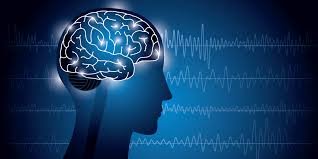
7. Neuroscience research is also influencing modern education. Studies on memory, attention, and cognitive load are guiding teachers in designing lessons that optimize retention and understanding. Techniques like spaced repetition, active recall, and brain breaks are now widely implemented in classrooms and online learning platforms.
8. Looking ahead, the future of education will likely combine these breakthroughs into a seamless, student-centered ecosystem. Technology, research, and creativity are converging to create learning experiences that are more personalized, interactive, and effective than ever before—truly a new era for education.