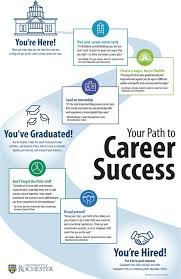
The Power of Strategic Internships Meet Sarah Lin, a business major who landed her dream job at a Fortune 500 company before graduation. Her secret? Three targeted internships that formed a career ladder – starting with a small local firm, moving to a mid-sized regional company, and culminating in a prestigious summer program at her target employer. “Each internship built specific, complementary skills that made me stand out,” Sarah explains. StudyNews research shows students with multiple internships receive 60% more job offers, with 45% higher starting salaries. The key is choosing roles that progressively build toward your career goals rather than random summer jobs.
Undergraduate Research That Opens Doors Computer science student Jamal Carter’s breakthrough came when his machine learning research with a professor got published – leading to recruiter calls from Google and OpenAI. “Undergrad research gave me real problems to solve, not just textbook exercises,” he says. Top companies increasingly value research experience, with 78% of tech recruiters preferring candidates with published work over those with only coursework. StudyNews data reveals research-active students secure jobs 3-5 months faster than peers. Pro tip: Approach professors early in the semester about research assistant opportunities – many have grants to pay student helpers.
The Extracurricular Edge Finance recruiters spotted Maria Gonzalez not in class, but while she was leading her university’s investment club to national competition wins. “Running the club’s $50,000 student-managed fund gave me better interview talking points than any class project,” Maria notes. StudyNews career surveys show 82% of hiring managers value leadership in student organizations over GPA alone. Strategic involvement – like engineering students joining robotics teams or pre-law students editing the law review – provides concrete examples of initiative and skills that resumes alone can’t demonstrate.
Global Experience as a Career Accelerator For environmental science major David Kim, a semester abroad in Norway’s Arctic research stations led to unexpected opportunities. “My fieldwork with international scientists became the centerpiece of my job interviews,” he shares. Employers increasingly prioritize global competence, with 65% paying salary premiums for study abroad experience. StudyNews tracking shows students with international experience receive 40% more interview requests. Even virtual global internships or language study can provide this competitive edge in our interconnected economy.
The Alumni Network Advantage Recent grad Tiffany Williams credits her smooth transition to an aerospace engineering role to her university’s mentorship program. “My alumni mentor introduced me to three hiring managers before positions were even posted,” she reveals. StudyNews research indicates 70% of jobs are filled through networking, not applications. Smart students tap into alumni networks early – attending industry panels, requesting informational interviews, and maintaining relationships with professors who often have extensive professional connections.
Portfolio Over Paper Graphic design student Carlos Mendez skipped the traditional resume route entirely. “My website showing client projects and class work generated more leads than 100 job applications,” he says. In creative fields, digital portfolios are becoming mandatory – but even in traditional sectors, engineering students with GitHub repositories or business majors with case competition videos stand out. StudyNews data shows applicants with professional online portfolios receive 50% more interview invitations across all fields.
Gap Years That Boost Employability After graduation, psychology major Emily Cho took a calculated risk – spending a year with Americorps developing mental health programs. “That year gave me management experience most entry-level candidates lack,” she explains. Strategic gap years involving service work, fellowships, or specialized certifications can make candidates more attractive – StudyNews finds these students often secure positions 1-2 levels above standard entry roles. The key is choosing experiences that develop transferable professional skills employers value.
The Mindset That Creates Opportunities Across all success stories, one factor stands out: proactive curiosity. Computer engineering graduate Aisha Bah’s side project – an accessibility app for visually impaired students – began as a class assignment she chose to develop further. “That extra effort led to my current startup role,” she says. StudyNews career research confirms that students who approach education as active creators rather than passive consumers consistently outperform peers. The most successful graduates treat every assignment as potential portfolio material, every professor as a potential mentor, and every campus resource as career fuel.