
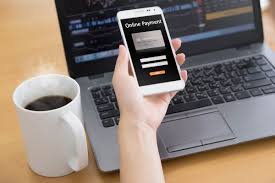
At first glance, free apps look like a gift. You download them in seconds, use them endlessly, and never pay a cent. But while the price tag says “free,” the reality is far more complex. Behind the colorful icons and smooth interfaces, these apps often demand a hidden fee—not from your wallet, but from your privacy, data, and attention.
The business model of free apps is simple but powerful. Instead of charging users directly, companies monetize through data collection, advertising, and in-app purchases. Every click, search, or scroll becomes valuable information. This data fuels targeted ads and personalized content, which generate revenue. So while you may not hand over money, you do hand over something else that can be equally valuable—your digital identity.
Data harvesting is at the core of this hidden cost. Free apps often request access to your location, contacts, photos, microphone, or browsing history. Even when some of these permissions seem unnecessary for the app’s function, they are quietly used to build a detailed profile of who you are. This profile can then be sold to advertisers or shared with third parties. In effect, your private information becomes the currency that pays for your “free” experience.
Beyond privacy, attention itself is another cost. Free apps are carefully designed to keep users hooked. Notifications, infinite scrolling, and gamified features exploit psychological triggers. The more time you spend inside the app, the more ads you see, and the more money the company makes. As a result, your focus and time—both limited resources—are consumed for profit.
The economic consequences extend further. Some free apps rely heavily on in-app purchases or premium upgrades. While the base app remains free, small nudges encourage users to spend money on add-ons, skins, boosts, or subscriptions. Over time, these microtransactions can add up to more than the cost of simply buying a paid alternative. The initial promise of “free” often becomes a gateway to recurring spending.
Security is another concern. Free apps often lack the rigorous protections of paid services. Many are rushed to market or built with minimal investment, leaving vulnerabilities that hackers can exploit. In some cases, malicious apps disguise themselves as free utilities but are actually designed to steal sensitive information. What looks like a harmless download can become a dangerous backdoor.
The impact of free apps on children and teens deserves special attention. Young users may not fully understand the trade-offs of sharing personal information or being exposed to targeted advertising. Free games and social platforms often encourage addictive behavior patterns in younger audiences. Without proper awareness or supervision, children may give away data or spend money unintentionally.
The illusion of free also reshapes digital culture. When users expect apps and platforms to cost nothing, companies are forced to monetize in less transparent ways. This creates an environment where invasive ads, data selling, and manipulative design are normalized. In reality, the “free” ecosystem is anything but free—it is simply financed by hidden costs.
Some people argue that free apps democratize technology, making powerful tools available to everyone. There is truth in this. Messaging platforms, navigation apps, and educational tools have transformed lives without requiring direct payment. Yet even these benefits come with caveats. When millions depend on free services, the companies behind them gain massive control over communication, commerce, and social interaction.
The trade-off becomes especially visible when companies change policies. A platform may start as free and relatively private, but later introduce more aggressive data collection or advertising. Users have little choice but to accept, since alternatives are limited or costly. The dependence built by years of free usage creates a form of digital captivity.
The hidden costs of free apps also influence democracy and society. Social media platforms, for example, profit by promoting content that captures attention, regardless of accuracy. This leads to the spread of misinformation and polarization. The pursuit of engagement for advertising revenue becomes a direct threat to informed civic life. What began as “free” entertainment now shapes politics and public opinion.
To protect yourself, awareness is the first step. Understand that “free” apps usually involve an exchange—you give away data, attention, or security in return for convenience. Before downloading, check the permissions requested. If an app asks for access to features that are unrelated to its purpose, consider whether it is worth the risk.
Using alternatives can also help. Paid apps, though less popular, often provide stronger privacy protections and fewer manipulative features. Open-source software is another option, built by communities rather than corporations. Choosing services that align with your values sends a message that privacy and transparency matter.
Governments and regulators are beginning to respond. Laws such as the European Union’s GDPR and California’s CCPA require companies to disclose data practices and give users more control. However, enforcement remains challenging, and many users are unaware of their rights. Policy changes can help, but personal vigilance is equally important.
The ultimate lesson is clear: nothing online is truly free. Whether it is your personal data, your time, your focus, or your trust, every app comes with a cost. Recognizing this truth empowers you to make better choices. Instead of blindly accepting the convenience of free services, you can weigh whether the hidden price is worth paying.
In conclusion, free apps have reshaped how we live, work, and communicate. They offer extraordinary value but also extract hidden payments from users in subtle ways. By becoming more conscious of these trade-offs, individuals can reclaim some control over their digital lives. The next time you see the word “free,” remember that the real question is not whether you will pay, but what you will pay with.